
By Decon Designs
Outdoor furniture is an essential part of creating comfortable, functional living spaces outside the home — whether on patios, balconies, terraces, or poolside areas. However, these pieces must withstand a variety of weather conditions that can significantly impact their longevity and appearance.
In this article, we explore how sun, rain, humidity, and snow affect the most common outdoor furniture materials. We also share real-life case studies demonstrating the impact of climate and maintenance on furniture lifespan. Understanding these factors helps homeowners, designers, and hospitality buyers make informed choices for durable, beautiful outdoor living.
- Sun Exposure: The Silent Material Degrader
Effects:
- UV Radiation breaks down plastics, causes fading, and weakens synthetic fibers.
- Heat can cause expansion, warping, or cracking in wood and plastic furniture.
Materials Impacted:
- Wood: Sun causes wood to dry out, fade, and eventually crack or splinter. Teak and cedar resist better, but still need UV protection.
- Plastic & Resin: Colors fade and plastics can become brittle over time due to UV damage.
- Fabrics: Sun-exposed cushions and covers fade and weaken unless UV-protected materials like solution-dyed acrylic or polyester are used.
Case Study:
A luxury hotel in Malaysia installed teak furniture in their poolside area without UV-protective sealant. After 3 years of strong tropical sun, the teak surfaces faded to a silver-gray and began to splinter in high-traffic zones. Switching to teak with UV sealant and regular maintenance extended furniture lifespan by 5+ years.
- Rain and Moisture: The Corrosion and Rot Risk
Effects:
- Water penetration leads to wood rot, rust on metals, and mold or mildew on fabrics.
- Repeated wet-dry cycles can cause warping or finish degradation.
Materials Impacted:
- Metal: Iron and untreated steel rust quickly; powder-coated aluminum resists corrosion better.
- Wood: Absorbs moisture, leading to swelling, rot, and decay if untreated.
- Fabrics: Water can cause mildew growth if cushions and covers aren’t water-resistant or properly dried.
Case Study:
A coastal resort in Australia used wrought iron furniture with a standard paint finish outdoors. After 2 years, rust spots appeared, worsening rapidly due to salty air and rain exposure. Replacing with powder-coated aluminum furniture dramatically reduced maintenance and extended service life.
- Humidity: Accelerating Wear and Tear
Effects:
- High humidity accelerates wood rot, metal corrosion, and fungal growth on fabrics.
- Promotes condensation that can degrade cushions and cause unpleasant odors.
Materials Impacted:
- Wood: Tropical climates accelerate decay without proper sealing or ventilated storage.
- Metal: More prone to corrosion in humid coastal or rainforest areas.
- Fabrics: Require quick-dry and mildew-resistant properties to withstand dampness.
Case Study:
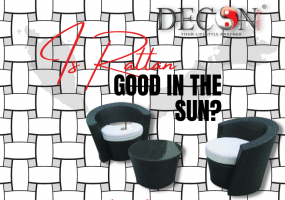
In Singapore’s humid environment, synthetic wicker furniture lasted far longer than natural rattan, which absorbed moisture and began to degrade after only 1 year. Synthetic fibers with UV and mildew resistance showed excellent durability.
- Snow and Freezing Temperatures: The Harshest Test
Effects:
- Freeze-thaw cycles cause wood to crack, paint to chip, and metal to become brittle.
- Snow accumulation adds weight and moisture that accelerates damage.
Materials Impacted:
- Wood: Requires winterizing or storage to avoid frost damage.
- Metal: Cold temperatures can cause brittleness, especially in untreated or poor-quality alloys.
- Plastic: Some plastics become brittle and crack in freezing weather.
Case Study:
A mountain resort in Colorado installed untreated wooden benches on their outdoor decks. After two winters with heavy snow, benches showed extensive cracking and splintering. Switching to powder-coated aluminum and composite wood tables increased lifespan and reduced maintenance costs.
Material-Specific Weatherproofing Tips
| Material | Sun Protection | Rain/Moisture Protection | Humidity Tips | Winter Care |
| Wood | UV sealants, stains | Water-repellent finishes | Regular sealing, ventilated storage | Cover or store indoors |
| Metal (Aluminum) | Powder-coating | Avoid scratches, rust inhibitors | Rinse salt, keep dry | Powder-coating and covers |
| Metal (Iron) | Paint with UV additives | Regular repainting, rust-proof primers | Dry after rain | Store or cover |
| Plastic/Resin | UV stabilizers | Drain water, clean debris | Choose breathable cushions | Protect from freezing |
| Synthetic Wicker | UV-resistant resin | Wipe dry, avoid pooling water | Mildew-resistant cushions | Store cushions indoors |
| Fabric | Solution-dyed acrylic | Water-resistant coatings | Mildew-resistant, quick-dry | Bring indoors during winter |
Real-World Advice: Maximizing Your Outdoor Furniture Lifespan
- Routine Maintenance: Clean surfaces regularly to prevent buildup of dirt and moisture.
- Protective Covers: Use weatherproof covers when furniture is not in use, especially in off-season.
- Store Cushions: Store cushions and pillows indoors or in waterproof containers.
- Seasonal Inspection: Check for rust, loose joints, or cracks, and perform timely repairs or refinishing.
- Choose Materials Wisely: Match furniture materials to your climate and usage to optimize lifespan and comfort.
Conclusion
Outdoor furniture is exposed to a complex mix of environmental challenges that vary greatly by climate. Sun, rain, humidity, and snow each have distinct impacts that influence how materials age and degrade. By understanding these effects, selecting appropriate materials, and committing to regular care, homeowners and businesses can enjoy beautiful, durable outdoor living spaces for years to come.
About Decon Designs
At Decon Designs, we specialize in premium outdoor furniture solutions tailored for longevity and style. We source climate-resilient materials and offer expert guidance to help you create your perfect outdoor oasis.