By Decon Designs
Outdoor furniture plays a vital role in how we enjoy our gardens, patios, and poolside spaces—but not all materials are created equal when it comes to environmental impact. As sustainability becomes a defining factor in modern design, eco-conscious homeowners are looking beyond style to consider carbon footprint, recyclability, and durability when choosing their outdoor pieces.
At Decon Designs, we believe in transparency and responsible sourcing. Below, we present a comprehensive ranking of the most eco-friendly outdoor furniture materials—based on measurable sustainability data and long-term usability.
- FSC-Certified Teak
Carbon Footprint: ★★★★★ (Low when sourced sustainably)
Recyclability: ★★★★★ (Biodegradable and repurposable)
Durability: ★★★★★ (20–50 years lifespan)
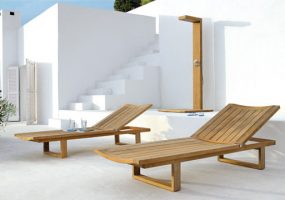
Teak is considered the gold standard for sustainable outdoor furniture. FSC (Forest Stewardship Council) certification ensures the wood is responsibly harvested. Naturally rich in oils, teak resists rot, warping, and pests—meaning fewer replacements and less waste.
Decon Designs Tip: Pair teak with water-based sealants for an even longer lifespan.
- Recycled HDPE (High-Density Polyethylene)
Carbon Footprint: ★★★★☆ (Made from post-consumer plastics)
Recyclability: ★★★★★ (Fully recyclable)
Durability: ★★★★☆ (15–20 years lifespan)
HDPE transforms plastic waste into durable, weather-resistant furniture. It won’t crack, peel, or rot, making it a low-maintenance choice for all climates.
Decon Designs Tip: Look for UV-stabilized HDPE to prevent fading from prolonged sun exposure.
- Bamboo
Carbon Footprint: ★★★★☆ (Fast-growing renewable resource)
Recyclability: ★★★★☆ (Biodegradable)
Durability: ★★★☆☆ (5–10 years lifespan with care)
Bamboo grows rapidly without pesticides, making it a low-impact alternative to hardwoods. However, without treatment, it’s prone to mold and weather damage.
Decon Designs Tip: Use bamboo in covered outdoor spaces to prolong its life.
- Reclaimed Wood
Carbon Footprint: ★★★★★ (No new trees cut)
Recyclability: ★★★★★ (Repurposable and biodegradable)
Durability: ★★★★☆ (10–20 years lifespan)
Reclaimed wood brings character and eco-value to furniture design. Using salvaged materials reduces landfill waste and gives old wood a second life.
Decon Designs Tip: Seal reclaimed wood to prevent splintering and water damage.
- Recycled Aluminum
Carbon Footprint: ★★★☆☆ (Energy-intensive but recyclable)
Recyclability: ★★★★★ (Infinite recycling potential)
Durability: ★★★★★ (25+ years lifespan)
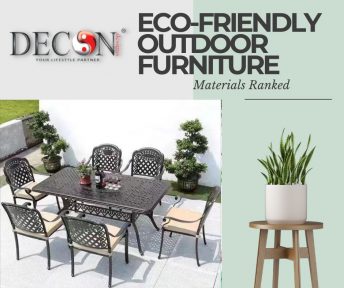
Lightweight, rust-resistant, and endlessly recyclable, recycled aluminum is ideal for modern outdoor furniture frames. Production can be energy-intensive, but once made, it lasts for decades.
Decon Designs Tip: Powder coating adds extra protection and style.
- Wrought Iron
Carbon Footprint: ★★★☆☆ (Moderate due to smelting process)
Recyclability: ★★★★★ (Easily recyclable)
Durability: ★★★★★ (Decades with care)
While heavier and more traditional, wrought iron is an incredibly long-lasting option that can be endlessly refinished.
Decon Designs Tip: Apply anti-rust treatments annually for maximum life.
- Rattan (Natural & PE)
Carbon Footprint:
- Natural: ★★★★☆ (Harvested from fast-growing palms)
- PE (Synthetic): ★★★☆☆ (Plastic-based but recyclable if HDPE)
Recyclability: - Natural: ★★★★☆ (Biodegradable)
- PE: ★★★★★ (Fully recyclable if pure HDPE)
Durability: ★★★★☆ (5–15 years depending on type)
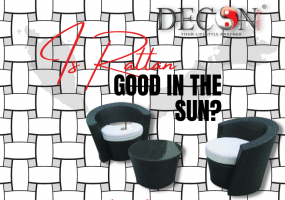
Rattan offers a lightweight, tropical aesthetic. PE rattan is more weather-resistant, while natural rattan has a lower carbon footprint but shorter lifespan outdoors.
Decon Designs Tip: Opt for PE rattan with an aluminum frame for all-weather durability.
- Concrete
Carbon Footprint: ★★☆☆☆ (High due to cement production)
Recyclability: ★★★☆☆ (Crushed for reuse in construction)
Durability: ★★★★★ (50+ years lifespan)
Concrete furniture is durable and low-maintenance, but cement manufacturing has a significant carbon footprint. If you choose concrete, seek suppliers using low-carbon cement blends.
Decon Designs Tip: Use cushions for comfort and warmth, as concrete can get hot or cold quickly.
Final Ranking – Eco Score
| Rank | Material | Eco Score |
| 1 | FSC-Certified Teak | 15/15 |
| 2 | Recycled HDPE | 14/15 |
| 3 | Reclaimed Wood | 14/15 |
| 4 | Bamboo | 12/15 |
| 5 | Recycled Aluminum | 12/15 |
| 6 | Wrought Iron | 12/15 |
| 7 | Rattan (Natural & PE) | 11/15 |
| 8 | Concrete | 9/15 |
Key Takeaways
- Choose longevity: The longer furniture lasts, the less environmental strain it causes.
- Verify certifications: FSC for wood, and Ocean/landfill recovery tags for recycled plastics.
- Consider your climate: The most eco-friendly material may not perform equally well in all regions.
At Decon Designs, we source and recommend materials that balance sustainability, style, and strength—so your outdoor living spaces can be beautiful and kind to the planet.